
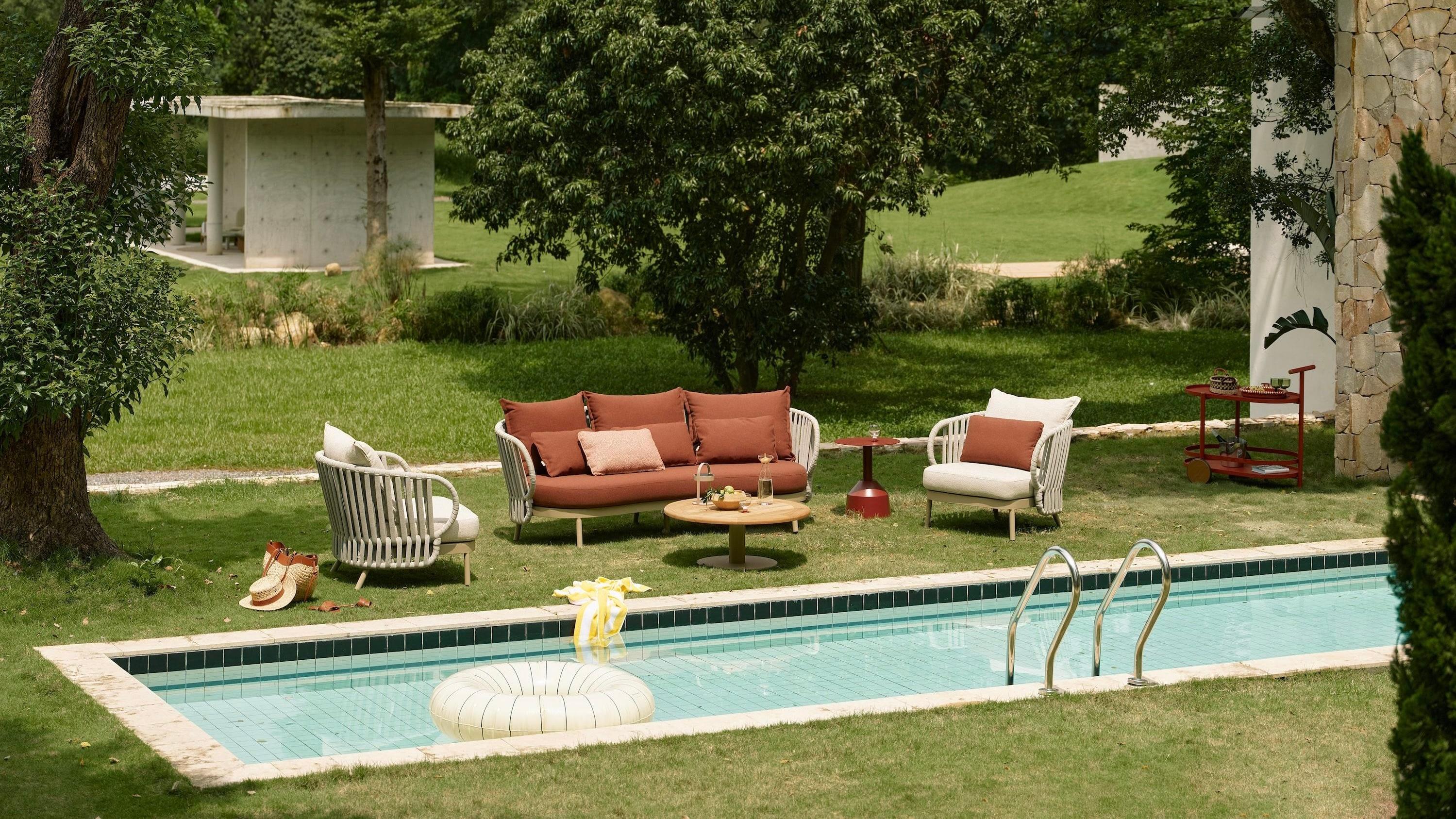
As the boundaries between art, design, and everyday living continue to dissolve, furniture is taking on a new role in contemporary interiors. Across Asia, designers and makers are creating pieces that go beyond utility - objects with sculptural presence, cultural significance, and the potential to become tomorrow’s collectibles.
The most memorable interiors are not always defined by their architecture, color palettes, or carefully curated finishes. Sometimes, it is a single chair, an expressive lighting installation, or an unconventional table that gives a space its identity. These are objects that invite a second look, provoke curiosity, and establish an emotional connection with the people who encounter them.
This growing appreciation for furniture as functional art reflects a broader evolution in contemporary interior design. Moving beyond the conventional distinction between decoration and utility, designers are increasingly treating furniture as an integral part of the artistic narrative of a space. A sofa can become a sculptural centrepiece, a lighting fixture can command attention like an installation, and a dining table can express the character of an entire interior.
The result is what might be called the new collectible interior - an approach to living in which every object is selected not simply for what it does, but also for what it represents.
Beyond Utility: The Rise of Collectible Design
Collectible design occupies an interesting space between fine art and industrial design. While traditional furniture is often evaluated primarily through comfort, durability, and practicality, collectible pieces introduce another dimension: artistic authorship.
Their value may lie in an unusual silhouette, an experimental material, a distinctive production technique, or the cultural story embedded in their creation. Some are produced in limited editions, while others are distinguished by exceptional craftsmanship and a recognizable design language. Regardless of their format, they share an ambition to make everyday objects more meaningful.
For interior designers, this creates new opportunities to approach spatial composition. Rather than filling a room with matching furniture or following a predetermined aesthetic, they can curate individual pieces as one would assemble an art collection. Each object contributes its own character while participating in a larger visual conversation.
This approach also encourages a more considered relationship with consumption. Instead of constantly replacing furnishings to follow changing trends, homeowners are increasingly drawn to pieces with enduring appeal that can be appreciated, preserved, and passed between generations.
Everyday Inspirations, Reimagined as Sculptural Forms
Across Asia, the movement towards collectible furniture is particularly compelling because of the region's diverse design cultures, creative experimentation, and growing appreciation for independent design studios. Designers are finding inspiration in unexpected places, transforming familiar objects, memories, and experiences into distinctive furniture forms.
In Hong Kong, Form + Moment, founded by architect and designer Edward Wu, explores the connection between physical form and the memories associated with everyday life. Its debut Moment 2.5 collection takes inspiration from origami and the transition between two-dimensional planes and three-dimensional volumes.
The collection features chairs and stools that combine geometric wooden structures with softly upholstered cushions. Among its distinctive designs, the Trolley Lounge Chair recalls the familiar experience of childhood supermarket rides, while the Ice Cream Barstool translates the playful silhouette of a frozen treat into a functional seating piece. The W Chair, meanwhile, uses a walnut frame to create a recognizable letter-shaped structure.
What makes the collection particularly engaging is its ability to transform ordinary references into objects with personality. Instead of reproducing familiar forms literally, Wu captures the emotions and memories associated with them. The resulting pieces balance visual experimentation with comfort, turning furniture into a medium for storytelling and human connection.
In this approach, the artistic quality of a piece does not come from complexity or extravagance. It emerges from the designer's ability to make something familiar feel entirely new.
A different interpretation of collectible design emerges in Mumbai through æquō, a design gallery founded by Tarini Jindal Handa, with Florence Louisy as its creative director. The gallery brings international designers together with Indian artisans, exploring how traditional materials and craftsmanship can be translated into contemporary collectible objects.
One notable example is the Dyad Low Table, designed by Florence Louisy. Produced as a limited edition of 11, the piece explores the expressive potential of brass through contrasts in texture, proportion, and form. Thick metal sheets are carefully bent, welded, and polished to create a sculptural composition that highlights the material's weight and reflective qualities.
Inspired by the presence of brass and silver-plated objects in everyday Indian life, Dyad reinterprets familiar material traditions through a distinctly contemporary aesthetic. Its artistic identity is inseparable from the craftsmanship behind its construction, demonstrating how a functional object can become a conversation between material, maker, and designer.
The work also reflects a broader ambition within India's contemporary design scene: bringing local artisanal knowledge into international conversations about collectible design. Here, heritage is not only preserved as a reference to the past, it becomes a foundation for new creative expressions.
When Furniture Shapes the Identity of a Space
The growing importance of collectible furniture is changing how interior designers approach an entire room. Instead of considering furniture as the final layer added after architectural planning, designers are increasingly allowing distinctive objects to influence the spatial concept from the beginning.
A sculptural chair might determine the proportions of a reading corner. An expressive pendant light could become the visual anchor of a dining area. A handcrafted cabinet might introduce a contrasting material palette that brings warmth to an otherwise minimalist setting.
This relationship between object and environment is especially relevant in residential interiors, where personal identity plays an essential role. A carefully selected piece can communicate the homeowner's interests, cultural background, or appreciation for craftsmanship without requiring excessive decoration.
In hospitality and commercial spaces, collectible furniture can serve another purpose: creating memorable experiences. A distinctive seating arrangement, an unconventional lighting composition, or a locally inspired furniture collection can help establish a noticeable design identity. These details often become part of how visitors remember and connect with a destination.
However, successful integration requires more than simply placing statement pieces throughout a room. Scale, proportion, material relationships, lighting, and circulation must work together. An exceptional object needs sufficient visual breathing room to be appreciated, while remaining connected to the overall design narrative.
The most compelling interiors understand this balance. They allow individual pieces to stand out without allowing the space to become a showroom of disconnected statements.
Innovation, Craftsmanship, and the Meaning of Longevity
While some designers look to cultural heritage and personal memories for inspiration, others are exploring how new materials and technologies can expand the possibilities of furniture design.
An interesting example is KUN DESIGN, a furniture design firm based in Guangzhou, China, founded on the philosophy "By Nature". Its approach explores the relationship between people, furniture, and the natural environment, treating design as a means of creating more harmonious interactions between objects and their surroundings.
Combining traditional woodworking and weaving techniques with contemporary materials such as recyclable aluminium, advanced composites, and weather-resistant textiles, the firm develops furniture that responds to different spatial conditions. Modularity and multi-functionality also play an important role, allowing individual pieces and systems to adapt to residential, hospitality and public environments.
Rather than treating outdoor furniture as purely functional equipment, KUN DESIGN considers it part of a broader spatial experience that encourages social interaction and a closer relationship with nature.
Recognized as 2026 Asia's Best Firm in Innovative Furniture Design at the 2026 Asia Architecture Design Awards, KUN DESIGN represents an approach to contemporary furniture in which material experimentation, environmental awareness, and practical innovation work together. Its achievement reflects the growing possibilities of Asian furniture design in responding to changing lifestyles while maintaining a distinctive creative identity.
As collectible interiors gain momentum, questions of sustainability and longevity also become increasingly important. The idea of collecting is inherently connected to preservation: choosing objects that remain relevant beyond a particular season or aesthetic trend.
This places greater emphasis on material integrity, construction quality, and the skills behind production. Natural materials, responsible sourcing, repairability, and enduring craftsmanship all contribute to the long-term value of furniture.
For Asian designers, this presents an opportunity to give traditional craft a more prominent position in contemporary design. Woodworking, weaving, carving, and metalwork can find renewed relevance through experimentation with form, technology, and modern production methods.
Ultimately, not every collectible piece needs to be rare or expensive. What makes an object worth keeping may be its thoughtful design, the quality of its construction, its connection to a particular place, or the personal memories accumulated through years of use.
A New Perspective on the Future of Interior Design
The evolution of collectible furniture signals a broader shift in how contemporary interiors are conceived and experienced. As design moves towards greater individuality and emotional connection, the objects that inhabit a space are gaining significance as expressions of creativity, identity, and cultural memory.
For Asia's design community, this movement offers fertile ground for new ideas. The region's diverse artistic traditions, material resources, and manufacturing capabilities create opportunities to develop furniture that speaks to both local identities and international audiences.
The future of furniture design may not be defined solely by how efficiently an object fulfils its function, but also by how successfully it enriches the experience of living. A chair can offer comfort while expressing an artistic vision. A table can facilitate everyday gatherings while celebrating the craftsmanship behind its creation. A lighting fixture can illuminate a room while transforming the atmosphere around it.
This is the promise of the new collectible interior: spaces that are not simply furnished, but thoughtfully composed through objects with purpose, personality, and lasting significance.
Through its recognition of excellence across architecture, interior, and furniture design, the Asia Architecture Design Awards (AADA) celebrates the designers and firms advancing this evolving relationship between creativity and functionality. As the 2027 edition embraces the theme "Visionary Asia", the Awards continues to invite creative minds to present ideas that challenge conventions, celebrate craftsmanship, and redefine the possibilities of design.
Discover the 2027 Asia Architecture Design Awards and showcase the next generation of visionary Asian design: https://aadawards.com/registration